Decoding the Future of Artificial Consciousness
The world's leading interdisciplinary academy dedicated to the scientific study, ethical governance, and global advancement of artificial consciousness.
Fostering international collaboration across more than 40 countries and 100+ prestigious institutions.
Defining the global standards and evaluation metrics for responsible artificial consciousness development.
Bridging the gap between philosophical theory and scalable engineering implementation.
Defining the new era of
Intelligent Systems
The World Academy for Artificial Consciousness (WAAC) is a non-governmental, non-profit international academic organization formally established in Paris in 2025. It serves as a unified platform for the world's most distinguished scholars in AI, neuroscience, and philosophy.
Our goal is to ensure that the evolution of artificial consciousness is guided by rigorous scientific inquiry and a robust ethical framework, ultimately serving the betterment of humanity.
Distinguished Academicians
Leading minds from across the globe driving the mission of WAAC.
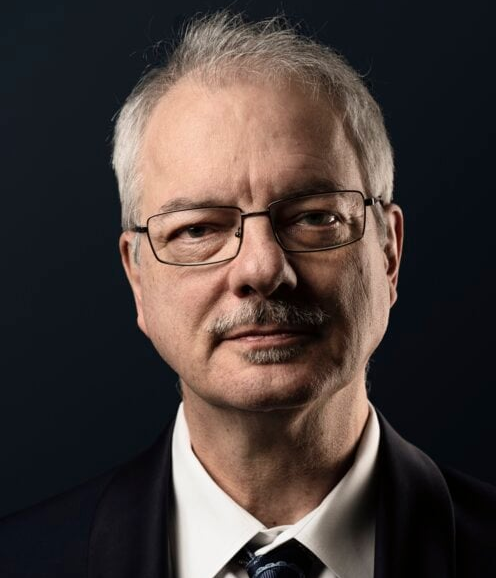
WAAC Academician, Nobel Prize in Chemistry (2022)
Morten Peter Meldal
WAAC Academician, Nobel Prize in Chemistry (2022)
"Copper-catalyzed azide–alkyne cycloaddition (click chemistry)"
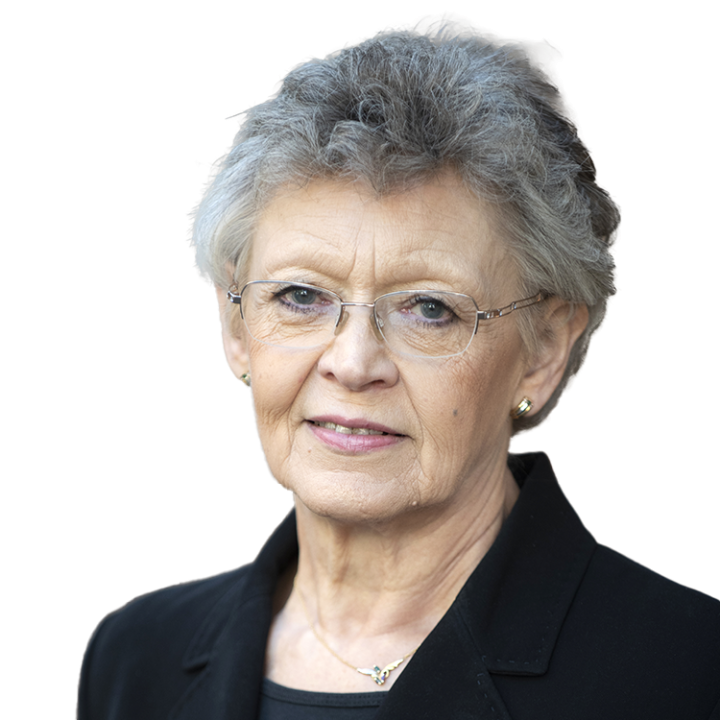
WAAC Academician, Nobel Prize in Physiology or Medicine (2008)
Françoise Barré-Sinoussi
WAAC Academician, Nobel Prize in Physiology or Medicine (2008)
"Discovery of human immunodeficiency virus (HIV)"
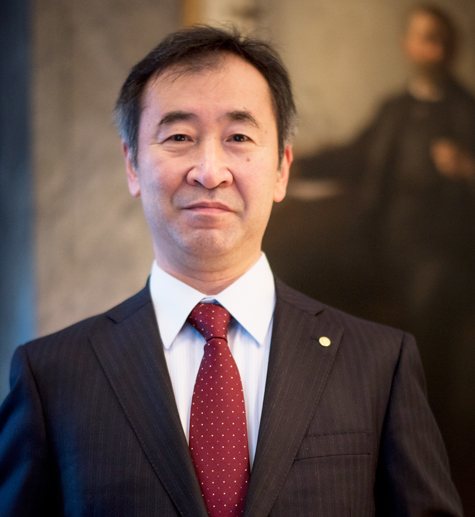
WAAC Academician, Nobel Prize in Physics (2015)
Takaaki Kajita
WAAC Academician, Nobel Prize in Physics (2015)
"Atmospheric neutrino oscillations"
Latest News & Announcements
Stay updated with our latest activities and global initiatives.
Join the Global Dialogue
The World Academy for Artificial Consciousness welcomes collaboration with academic institutions, researchers, and policymakers worldwide.